
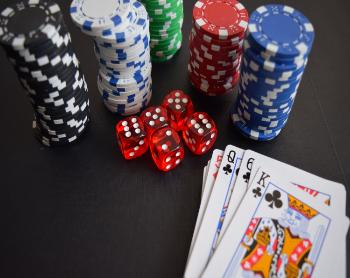

I spent close to fifteen years working graveyard shifts at a riverfront casino in southern Louisiana, mostly around table games and high-limit service. I was never the guy in the commercials wearing a suit and smiling beside a sports car. I was the employee refilling coffee at three in the morning while regulars argued over blackjack side bets and slot players chased losses they should have walked away from hours earlier. That kind of work changes how I look at casinos, especially the difference between places built for gamblers and places built for tourists with expense accounts.
The Players I Remember Most Were Never the Loud Ones
People outside the casino business usually imagine huge winners, loud jackpots, and celebrities wandering around velvet rope sections. Most nights were quieter than that. I remember retired mechanics carrying lucky chips in shirt pockets, bartenders stopping by after shifts, and couples splitting a fixed gambling budget that rarely changed from month to month. The regulars who lasted the longest almost never acted emotional at the tables.
A man I knew years ago came in every Thursday with the exact same routine. He parked in the back lot, ordered black coffee, played low-limit blackjack for a few hours, then drove home before midnight. He once told me the casino felt less stressful than sitting alone in his apartment. That stuck with me because casinos are usually marketed as exciting places, yet many people used them more like structured escapes from routine.
I also learned early that casino floors have their own rhythm depending on size. Smaller properties forced people to interact more. Dealers knew names. Cocktail servers remembered drink orders. Arguments happened too, especially after bad runs at the craps table, but people still recognized each other week after week. Large resort casinos can feel polished, though they often lose that familiar atmosphere once the floor gets too crowded.
One winter weekend still stands out. A bus group from east Texas rolled in during a rainstorm and half the slot section lost power for about twenty minutes. Nobody panicked. Players just gathered near the bar, joked around, and waited for maintenance. In giant resort casinos, interruptions like that usually create frustration immediately because the experience feels transactional from the start.
How Online Casinos Changed the Habits of Regular Gamblers
I resisted online gambling for years because I assumed most longtime casino players preferred physical tables and face-to-face interaction. That changed after the pandemic slowdown when several regulars I knew stopped traveling altogether and shifted toward mobile gaming. Some still visited in person a few times a year, but their habits became more casual and less tied to loyalty programs or hotel packages.
A former baccarat player I used to see every month mentioned that he had started using umi55 during long stretches when he did not feel like driving several hours to a casino property. He liked being able to play smaller sessions without committing an entire weekend to travel, hotel costs, and crowded gaming floors. I understood the appeal even though I still think many people underestimate how easy it is to lose track of time online.
The biggest difference I notice between online players and traditional casino regulars is pacing. Physical casinos naturally interrupt you. Dealers shuffle cards. Waitresses stop by. Someone nearby starts a conversation. Online gambling removes many of those pauses, and that can quietly change how people spend money over several hours. A customer I knew last spring admitted he barely realized how long he had been playing one evening because he never stepped away from his phone.
That said, online platforms have become much smoother than they were a decade ago. Early casino sites felt clunky and unreliable. Games froze. Withdrawals took forever. Players complained constantly about confusing bonuses with strange rollover conditions attached to them. The newer platforms seem cleaner overall, though I still tell friends to read terms carefully because promotions can sound far better than they actually are.
The Casino Floor Teaches You How People Handle Pressure
Working around gambling long enough makes certain personality traits easy to recognize. Some people became calmer after losing because they expected swings already. Others unraveled after a single bad hour. I watched a businessman once tear up a rewards card after dropping several thousand dollars at roulette, only to come back two weeks later acting like nothing happened. Casinos attract emotional cycles in ways few businesses do.
Good dealers understood this immediately. The strongest ones were not flashy entertainers. They controlled tension at the table before arguments escalated. I learned more about reading people from veteran blackjack dealers than from any management seminar the casino ever paid for. Silence tells you plenty.
One older poker supervisor used to say that gamblers rarely leave because they are winning too much. Most leave because they are tired, embarrassed, or distracted by something outside the building. I think he was right. Big wins create stories people repeat for years, but steady losses shape behavior far more often. You could watch it happen over the course of a weekend if you paid attention carefully.
The casino industry itself changed too. Years ago, management cared heavily about table game loyalty because table players stayed longer and tipped staff consistently. Modern casinos focus much harder on slots, digital systems, and data tracking because those operations require fewer employees. The atmosphere shifted once corporate ownership groups started treating casino floors more like analytics centers than entertainment spaces.
Small Details Usually Matter More Than Big Promotions
Most experienced gamblers ignore giant advertising claims because they have heard the same language for years. Free play offers sound exciting until you realize the requirements tied to them. Luxury giveaways attract attention but rarely change how seasoned players choose casinos. People come back for consistency more than spectacle.
I remember a regional casino that kept loyal customers simply because the overnight restaurant served decent food after midnight without inflated prices. Another property lost regulars because management cut staff too aggressively and drink service slowed down across the floor. Those seem like minor issues from outside the business, yet they affect player experience constantly.
Clean bathrooms mattered more than marketing campaigns. Fast cash-out windows mattered too. I watched players walk out angry over twenty-minute waits at redemption counters after perfectly normal sessions. A casino can spend millions remodeling carpets and lighting while ignoring the basic frustrations customers actually complain about during repeat visits.
One summer, our property experimented with louder music near the slot floor because executives thought it created more energy. Regulars hated it almost immediately. Several older players moved toward quieter corners or shortened their visits altogether. The volume eventually dropped back down after enough complaints reached management through host staff and player surveys.
Why I Still Walk Casino Floors Carefully
I still visit casinos a few times a year, though I approach them differently now. I carry cash only. Once it is gone, I leave. That rule came from watching too many players chase losses after midnight because ATM machines made bad decisions feel temporary. I have seen people turn reasonable entertainment budgets into miserable weekends within a few hours.
There are parts of casino culture I still enjoy. I like hearing chips move across felt tables. I like old-school poker rooms where dealers actually know the regulars by name. Some casino bars still have the same relaxed conversations I remember from overnight shifts years ago. Those places feel familiar to me in a strange way.
But I no longer believe casinos sell glamour nearly as much as they sell distraction. Sometimes distraction is harmless. Sometimes it becomes expensive very quickly. The difference usually depends on whether a person walks into the casino already knowing their limits before the lights and noise start working on them.